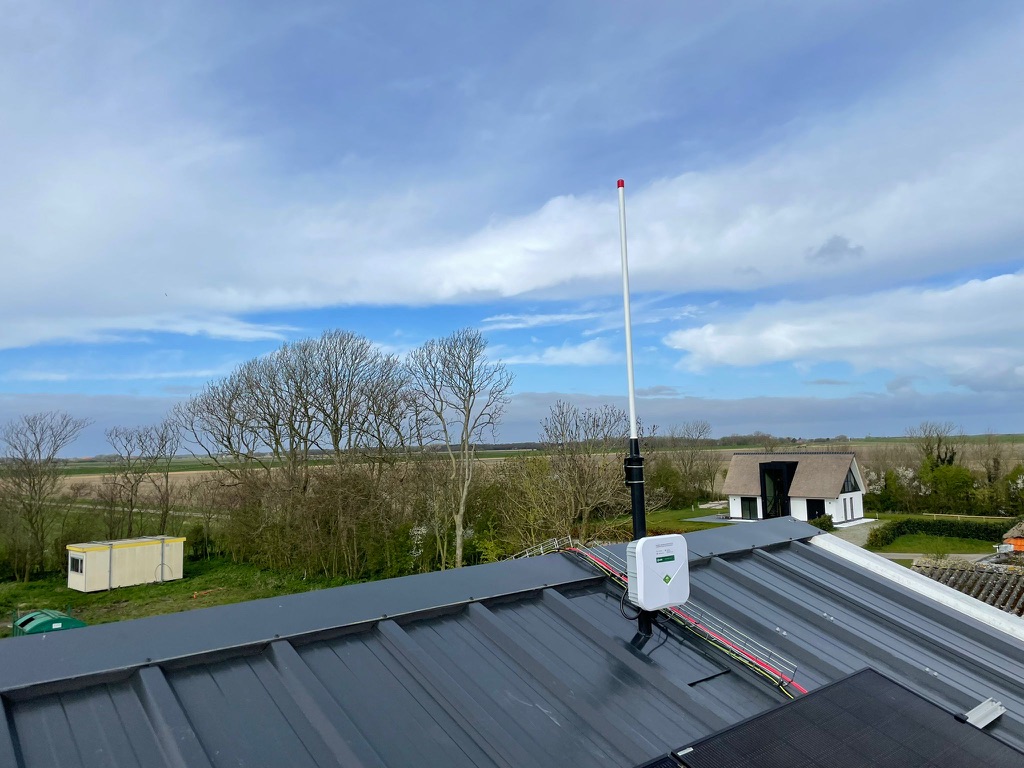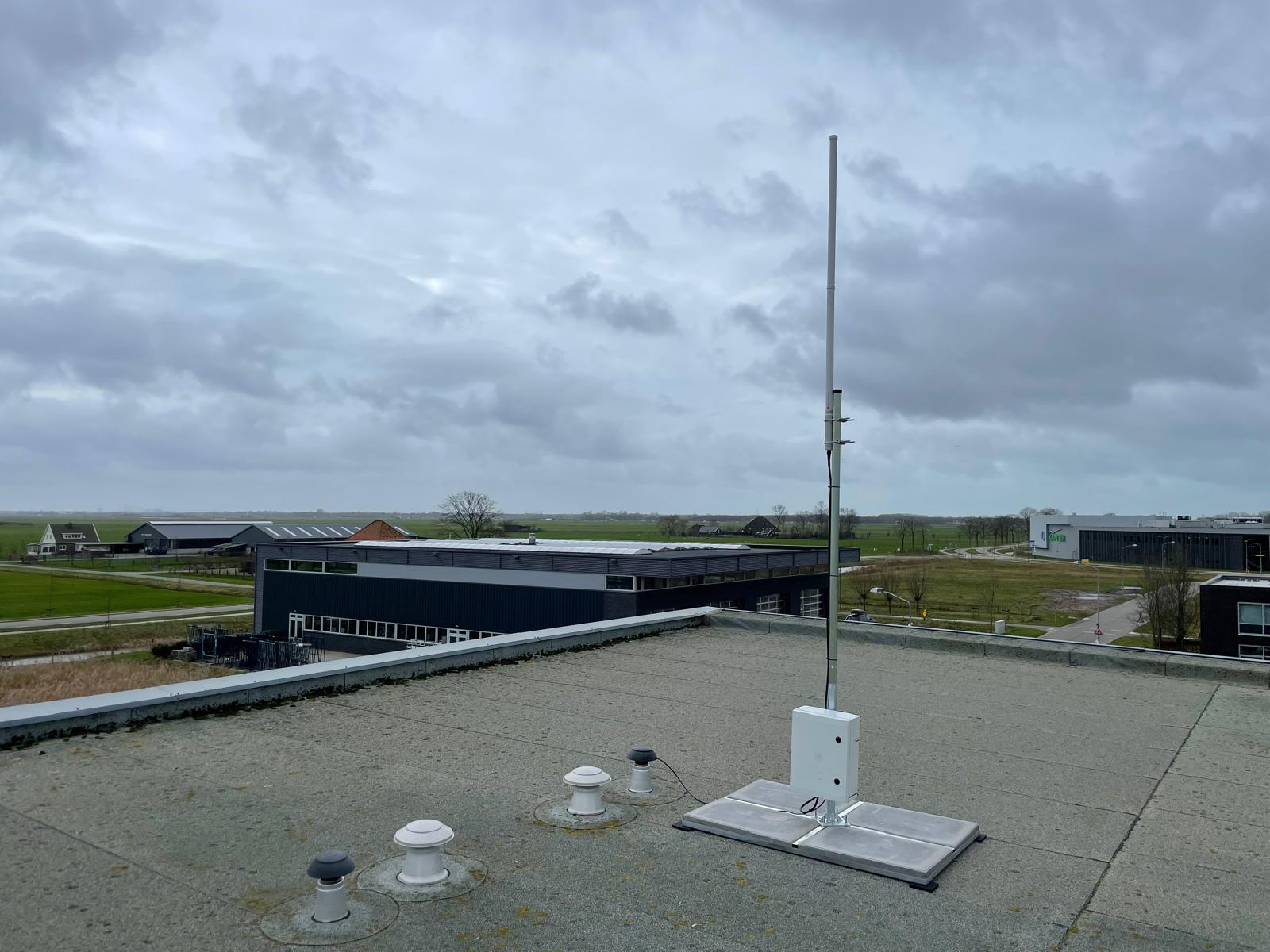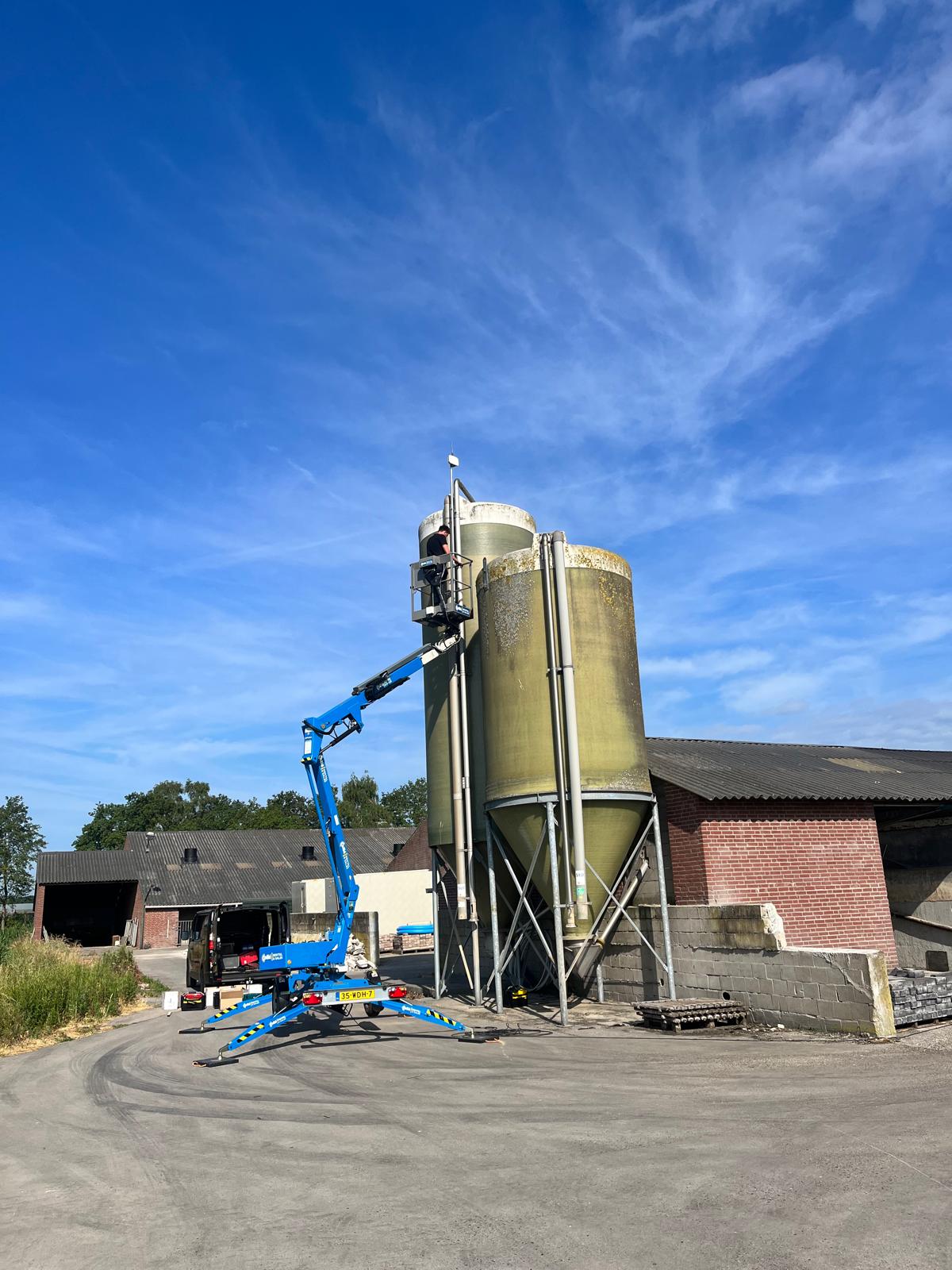
LoRaWAN gateway management is the day-to-day work of keeping gateways online, consistent, secure, and useful once they are in the field. It covers provisioning, connectivity, monitoring, firmware, troubleshooting, and the operational decisions that determine whether a deployment stays stable after the pilot phase.
One gateway is manageable with memory and goodwill. Ten gateways need process. Fifty gateways need tooling. A few hundred gateways need a real operating model. That is why teams researching managed LoRaWAN gateways are usually trying to solve an operations problem, not just source hardware.
What Is LoRaWAN Gateway Management?
Gateway management starts before a unit is ever installed on a roof, mast, or wall. Each gateway needs the correct frequency plan, packet forwarder settings, credentials, backhaul configuration, firmware version, and monitoring profile. Once deployed, it needs ongoing oversight so it stays healthy, secure, and consistent with the rest of the fleet.
- →Provisioning: Applying the correct radio, network, and server settings before the gateway reaches site.
- →Connectivity management: Ensuring each gateway has stable backhaul, often through built-in cellular rather than ad hoc local internet access.
- →Monitoring: Tracking uptime, packet forwarding, system metrics, and device health so problems are detected early.
- →Firmware and patching: Rolling out updates remotely, consistently, and safely across the fleet.
- →Security: Maintaining secure remote access, outbound-only connections, credential hygiene, and response processes for suspicious behaviour.
- →Incident response: Diagnosing packet loss, offline gateways, or configuration drift without unnecessary site visits.
If those responsibilities are split across installers, internal engineers, and support teams, LoRaWAN gateway management becomes slow and fragile. When they are handled through a single operating model, the fleet becomes much easier to scale.
Why Teams Underestimate Gateway Management
The first few gateways in a deployment often work because the whole system is still held together by tribal knowledge. One engineer knows the packet forwarder settings. One installer remembers the antenna choice. One spreadsheet tracks SIM details and site locations. That works right up until someone is away, a replacement unit is shipped, or the fleet doubles.
Once fleets grow, the failure modes are rarely exotic. They are operational. A gateway is running old firmware. A site loses its internet connection. A replacement unit is provisioned differently from the original. A SIM expires or stops passing traffic. Packet forwarding drops and nobody notices until data stops arriving. These are exactly the issues that separate a tidy pilot from a messy production deployment.
| Fleet Size | What Changes Operationally | Main Risk |
|---|---|---|
| 1-10 | Mostly manual setup still works | Inconsistent provisioning |
| 10-50 | Monitoring, updates, and replacements need process | Configuration drift |
| 50+ | Fleet operations require automation and clear ownership | Reactive firefighting |
What Good LoRaWAN Gateway Management Looks Like
Good LoRaWAN gateway management is not one feature or dashboard. It is a set of repeatable disciplines working together: provisioning, resilient connectivity, observability, controlled updates, and clear ownership when something breaks.
Provisioning matters because every gateway in the fleet should behave predictably from the moment it boots. Connectivity matters because a gateway with poor backhaul is effectively invisible. Monitoring matters because outages are cheaper to resolve when they are detected early. Firmware management matters because security and reliability degrade quickly when updates depend on manual site work.
This is also why teams evaluating a managed gateway platform are usually looking for consistency more than feature lists. The real value is not that a provider can ship a gateway. It is that every gateway can be deployed, updated, monitored, and supported the same way.
If you are already thinking about larger rollouts, our field guide to deploying LoRaWAN gateways at scale goes deeper into what changes operationally once deployments move beyond a handful of sites.
When Self-Managed Starts to Hurt
Some teams absolutely should run gateway operations themselves, especially if gateway management is core to their product or they need deep control over custom workflows. But many organisations eventually hit the point where operational overhead is swallowing time that should be going into sensors, integrations, analytics, or customer delivery.
- →Build internally if you already have embedded, networking, and platform engineering capacity dedicated to this layer and you expect gateway operations to remain strategic.
- →Use a managed service if your competitive edge is in sensors, applications, analytics, or customer outcomes rather than gateway operations.
The economics usually become clearer as deployments grow. A managed approach replaces scattered labour, ad hoc troubleshooting, and unpredictable site interventions with a simpler operating cost. If you are weighing that trade-off, our breakdown of the true cost of running LoRaWAN gateways is the right next read.
How EdgePilot Approaches LoRaWAN Gateway Management
EdgePilot is built around a simple idea: gateway infrastructure should be reliable, repeatable, and mostly invisible to the customer. Gateways are pre-configured before deployment, connected through managed backhaul, monitored continuously, and updated remotely.
That means no need to arrange internet access for every site, no manual firmware maintenance cycle, and no need to troubleshoot each gateway like a one-off appliance. The service model is built to reduce operational overhead while keeping the gateway layer flexible enough to work with the network server and application stack you choose.
Security is part of that model too. Our guide to IoT gateway security explains why outbound-only connectivity, OTA patching, and custom firmware matter so much once a fleet is live.
If you want the commercial view, our managed gateway pricing explains what is included. If you want to talk through your own fleet,contact us and we can help you map the operational model that fits.
LoRaWAN Gateway Management FAQ
Can I manage LoRaWAN gateways myself?
Yes. Many teams do at small scale. The question is not whether you can manage LoRaWAN gateways yourself, but whether it is the best use of your engineering time once deployments grow. The answer depends on whether gateway operations are part of your product advantage or just infrastructure that supports it.
What changes when a LoRaWAN fleet grows past 50 gateways?
Past 50 gateways, manual processes usually start to fail. Replacement provisioning, firmware rollout, monitoring, connectivity issues, and incident response all become harder to coordinate. That is usually the point where proper LoRaWAN gateway fleet management tooling or a managed service becomes necessary.
What should a managed LoRaWAN gateway service include?
At minimum, it should include pre-configuration, secure connectivity, remote monitoring, OTA firmware updates, incident response, and a clear support model. If the customer is still coordinating firmware, internet access, and troubleshooting site by site, it is not really managed.
Need gateway management without the ops burden?
See how EdgePilot handles provisioning, monitoring, connectivity, security, and firmware across your LoRaWAN gateway fleet.
Request a Demo