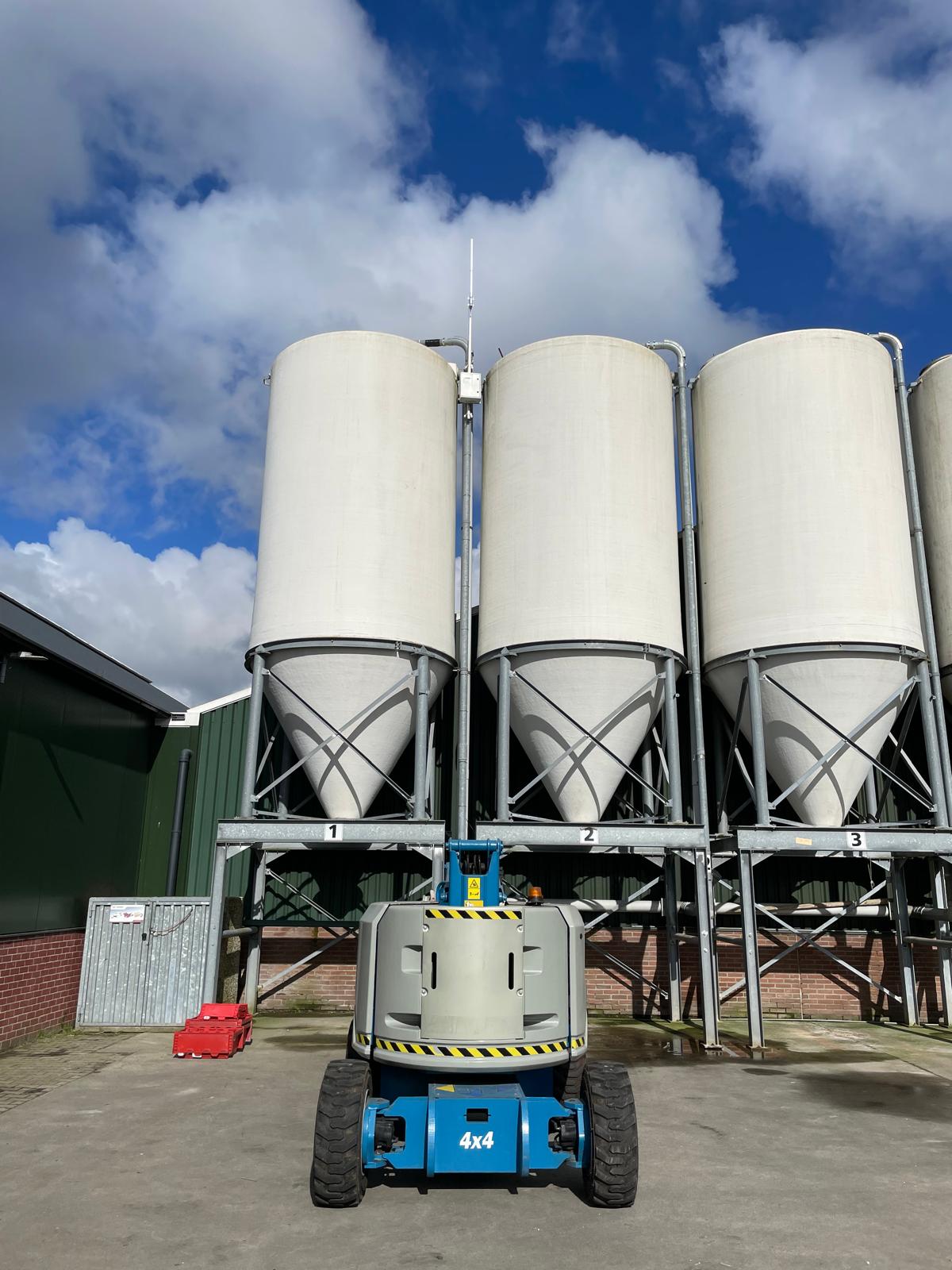
Deploying a handful of LoRaWAN gateways is straightforward. Deploying hundreds across farms, factories, rooftops, and coastal cliffs is a different discipline entirely. After years of building and managing large-scale gateway networks across Europe, here are the lessons we've learned.
Lesson 1: Coverage Planning Is Everything
The temptation with any new deployment is to start installing gateways immediately. Resist it. The single biggest factor in deployment success is proper RF (radio frequency) coverage planning before a single gateway ships.
This means understanding the terrain, building materials, vegetation, and the specific sensor use case. A soil moisture deployment across flat agricultural land has very different requirements from monitoring equipment inside a steel-framed factory.
We use a combination of propagation modelling tools and on-site signal testing to plan coverage zones. The goal is to ensure every sensor location has reliable connectivity with margin to spare, because real-world conditions change with seasons, weather, and new construction.
Lesson 2: Mounting Matters More Than You Think
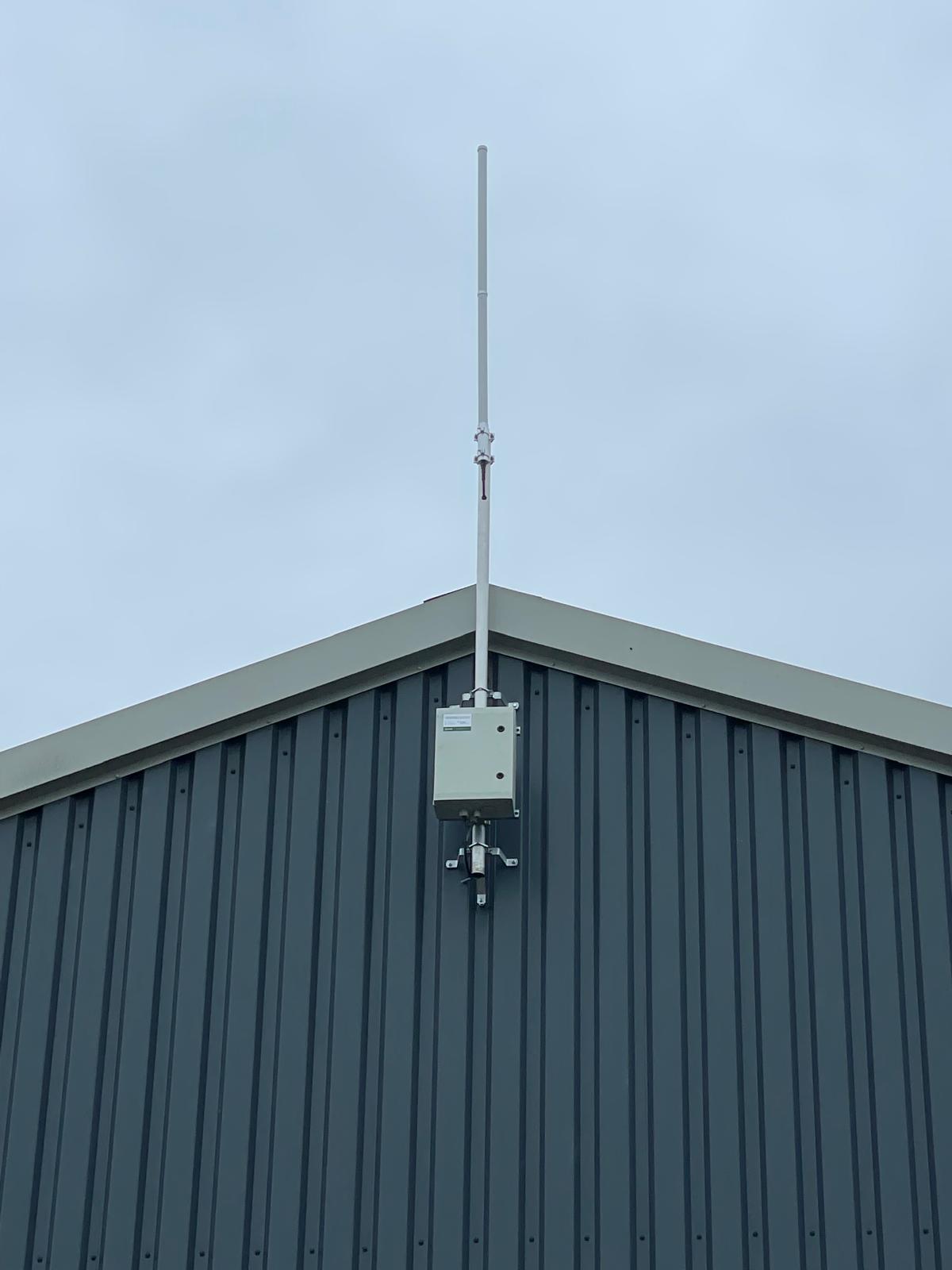
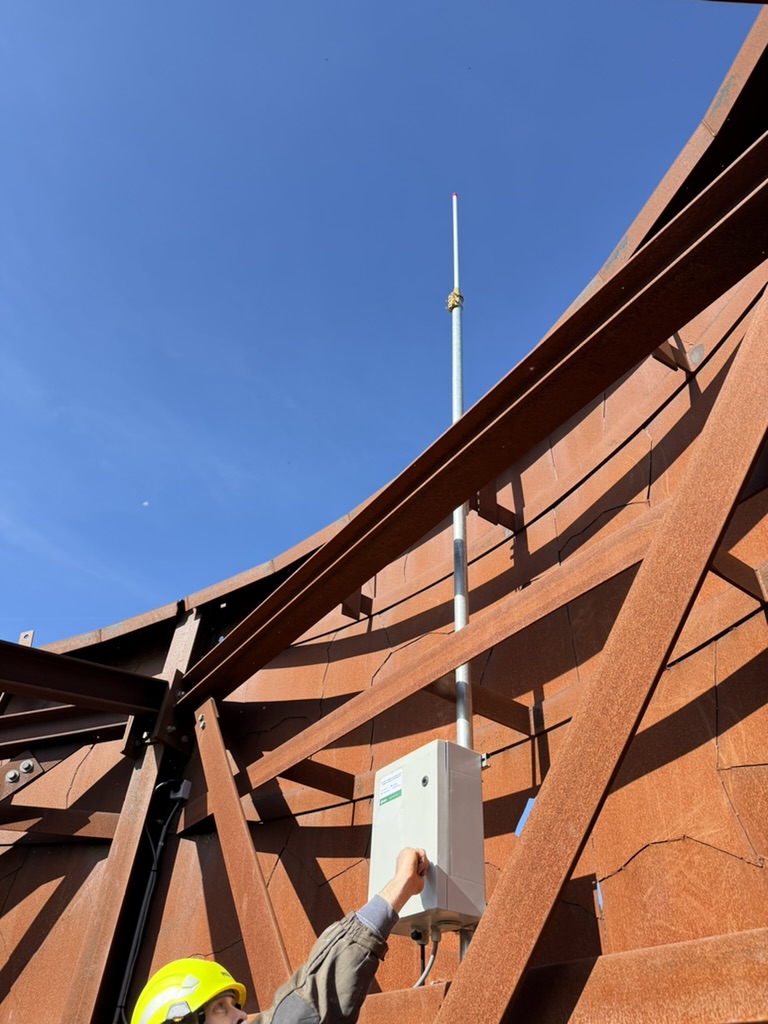
A gateway's performance is only as good as its antenna position. We've seen deployments where moving a gateway 2 metres higher doubled the effective range.
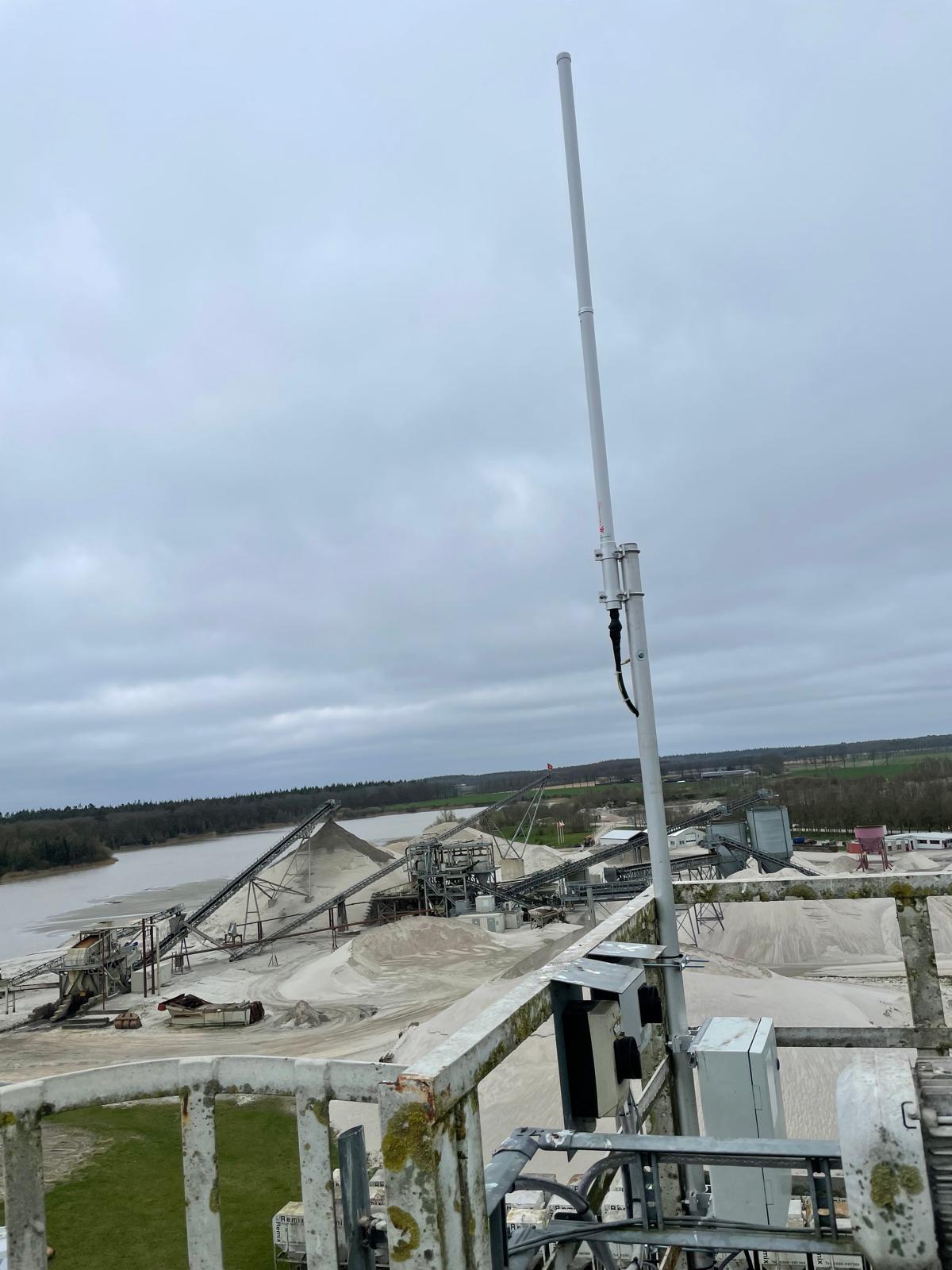
Height is king. Even a few extra metres of elevation dramatically improves line-of-sight to sensors. You also want to avoid metal surfaces directly behind the antenna, since they create reflections and dead zones. Outdoor gateways need IP67-rated enclosures and UV-resistant cable glands, because cutting corners on weatherproofing leads to premature failures. And cable runs matter more than people expect. Keep the antenna cable as short as possible to minimise signal loss, since every extra metre of coaxial cable costs you range.
Lesson 3: Cellular Backhaul Changes the Game
In our early deployments, we relied on customer Ethernet or Wi-Fi for gateway backhaul. This introduced several problems: IT departments blocking ports, unreliable Wi-Fi connections, and complex network configuration at every site.
Switching to built-in 4G cellular backhaul simplified everything. Each gateway connects independently over its own SIM, with no dependency on the site's local network. The gateway just needs power. This change alone reduced deployment time by roughly 60% and eliminated the most common category of support tickets.
Lesson 4: Configuration Consistency Is Non-Negotiable
When you're deploying 10 gateways, it's possible (if painful) to configure each one manually. At 100+, manual configuration is a guaranteed source of errors. We've seen deployments where gateways were accidentally set to the wrong frequency plan, packet forwarders pointed at the wrong server, or security keys mismatched.
Every gateway in our fleet ships with identical baseline configuration, managed centrally and applied automatically. Changes propagate across the fleet in minutes, not days. This is one of the strongest arguments for a managed service at scale. Consistency isn't a nice-to-have; it's a reliability requirement.
Lesson 5: Monitor Proactively, Not Reactively
In the early days of any IoT deployment, the first sign of a gateway failure is usually a customer reporting missing data. By that point, you've already lost hours or days of readings. At scale, this reactive approach is unacceptable.
Effective monitoring means continuous heartbeat checks, automated alerting on connectivity drops, and trend analysis that identifies degradation before it becomes failure. We track not just "is it online" but signal quality, packet delivery rates, backhaul latency, and system resource usage.
Lesson 6: Plan for Firmware Lifecycle from Day One
Gateways are long-lived infrastructure. A typical deployment runs for 5+ years. Over that period, firmware needs to be updated for security patches, bug fixes, and feature improvements. If you don't have a reliable over-the-air update mechanism from the start, you're committing to site visits for every patch.
At a cost of €200-500 per site visit (travel, engineer time, disruption), even a single firmware update across 200 gateways becomes a €40,000-100,000 exercise. OTA updates aren't a convenience; they're an economic necessity at scale.
Lesson 7: Start with a Managed Service if You Can
If there's one overarching lesson from deploying hundreds of gateways, it's this: the operational burden of self-managed gateways grows faster than most organisations expect. What starts as a manageable side project for your engineering team quickly becomes a full-time infrastructure operation.
A managed gateway service absorbs that complexity from day one. Gateways arrive pre-configured, connect automatically, and are monitored and maintained remotely. Your team stays focused on the application layer, the part of the stack that actually differentiates your business. If you want the operational picture behind that, read our guide to LoRaWAN gateway management.
What It All Comes Down To
Deploying LoRaWAN gateways at scale is achievable, but it requires disciplined planning, robust tooling, and a willingness to invest in operational infrastructure. The organisations that succeed are the ones that treat gateway management as a first-class concern, or delegate it to a service built specifically for that purpose. View our pricing to see what a managed deployment costs.
Planning a large-scale LoRaWAN deployment?
We’ve deployed gateways across farms, factories, and coastlines. Let us do the same for you.
Talk to Our Team