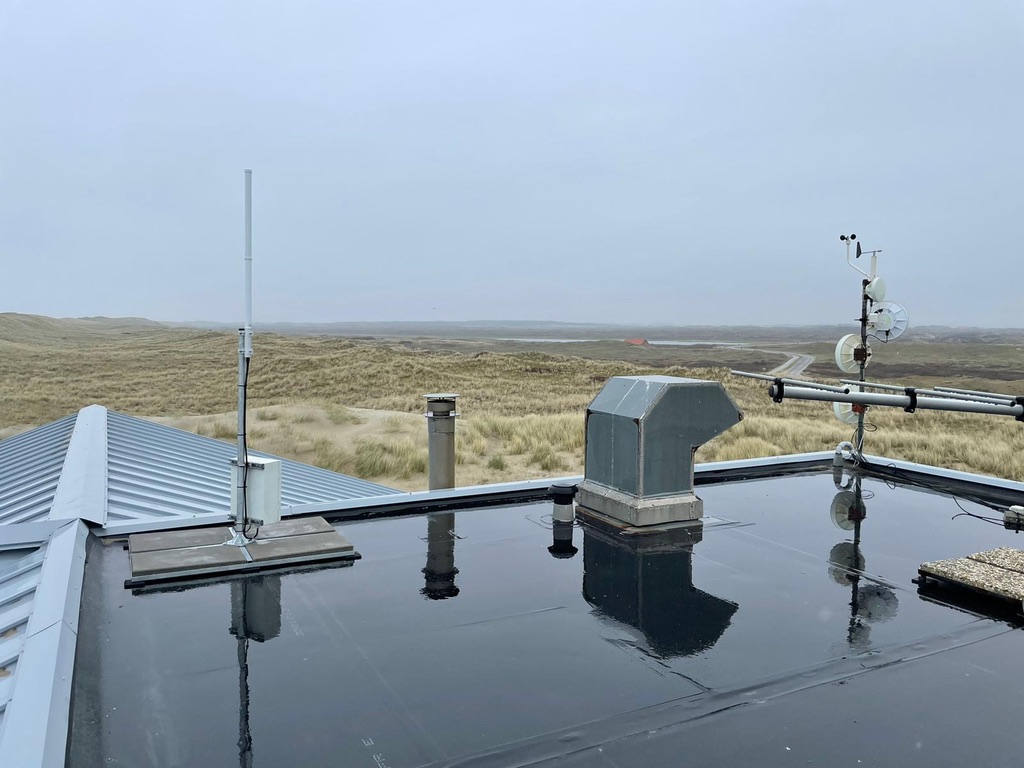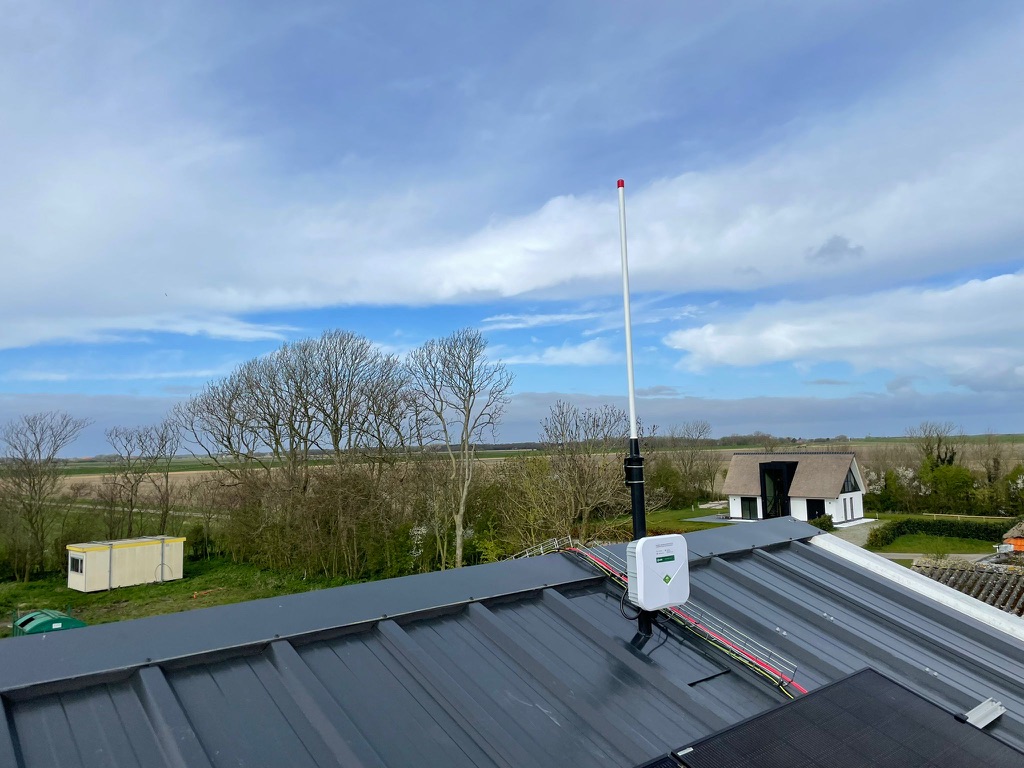
If you're exploring IoT connectivity, you've likely come across LoRaWAN, the low-power, wide-area network protocol designed for sensor data. But while LoRaWAN devices are getting easier to deploy, the gateways that connect them to the cloud are another story entirely. That's where managed gateways come in.
What Is a LoRaWAN Gateway?
A LoRaWAN gateway is the bridge between your sensors in the field and your application in the cloud. Sensors transmit data over radio frequencies, the gateway receives those transmissions, and forwards the packets to a LoRaWAN Network Server (LNS) over an internet backhaul, typically Ethernet, Wi-Fi, or cellular.
In theory, it sounds simple. In practice, every gateway needs to be configured with the correct frequency plan, connected to a reliable network, kept up to date with firmware patches, and monitored for uptime. Multiply that across tens or hundreds of sites, and you have a serious operational challenge. Our guide to LoRaWAN gateway management breaks down what that work actually looks like in production.
Self-Managed vs Managed: What's the Difference?
With a self-managed approach, your team is responsible for every aspect of the gateway lifecycle. You buy the hardware, load the firmware, configure packet forwarder settings, arrange connectivity at each site, monitor uptime, and push security patches. If a gateway goes offline at 2am, it's your problem.
A managed gateway service takes all of that off your plate. You receive pre-configured gateways that are ready to install. From the moment they power on, the service provider handles configuration, monitoring, firmware updates, security, and troubleshooting. You focus on your sensors and application. The gateways just work. See how our managed platform works.
Why Organisations Are Moving to Managed
The shift toward managed gateways is driven by a few converging trends.
First, IoT is scaling. What started as a proof-of-concept with 5 gateways is now a production deployment with 200, and the operational burden grows exponentially when you own the infrastructure. At the same time, engineering time is expensive. Every hour your team spends debugging a gateway firmware issue is an hour not spent building your actual product.
Security expectations are rising too. Connected devices are increasingly targeted, and keeping firmware patched across hundreds of endpoints requires dedicated tooling and processes. Finally, predictable costs matter. With a managed service, you pay a fixed annual fee per gateway rather than unexpected contractor callouts.
What to Look for in a Managed Gateway Provider
Not all managed services are created equal. Here are the capabilities that separate a genuine managed service from a basic hardware reseller:
- →Custom firmware: The provider should run their own firmware purpose-built for managed operations, not just the manufacturer's default image.
- →Over-the-air updates: Firmware and security patches should be pushed remotely without site visits.
- →Proactive monitoring: The provider should detect and resolve issues before they affect your operations.
- →Included connectivity: A truly managed gateway should include cellular backhaul instead of requiring you to arrange internet at every site.
- →Secure architecture: Gateways should use outbound-only connections with no exposed ports, minimising the attack surface.
Who Benefits Most?
Managed gateways are particularly valuable for organisations that need LoRaWAN connectivity but don't want to build a gateway operations team. That includes agriculture and environmental monitoring companies deploying sensors across remote sites, smart building providers covering multiple properties, and industrial IoT companies monitoring equipment across factories. Logistics businesses tracking assets across distributed locations and municipalities rolling out smart city infrastructure are also strong fits.
Is Managed Right for You?
LoRaWAN is a powerful protocol for IoT, but the gateways that underpin it need proper lifecycle management. If your team's focus is building IoT applications rather than managing network infrastructure, a managed gateway service lets you get the connectivity you need without the operational overhead.
The result is simpler deployments, fewer outages, stronger security, and more time to focus on what makes your business unique. Get in touch to discuss your requirements.
Ready to simplify your gateway operations?
See how EdgePilot’s managed gateway service can eliminate infrastructure complexity.
Request a Demo