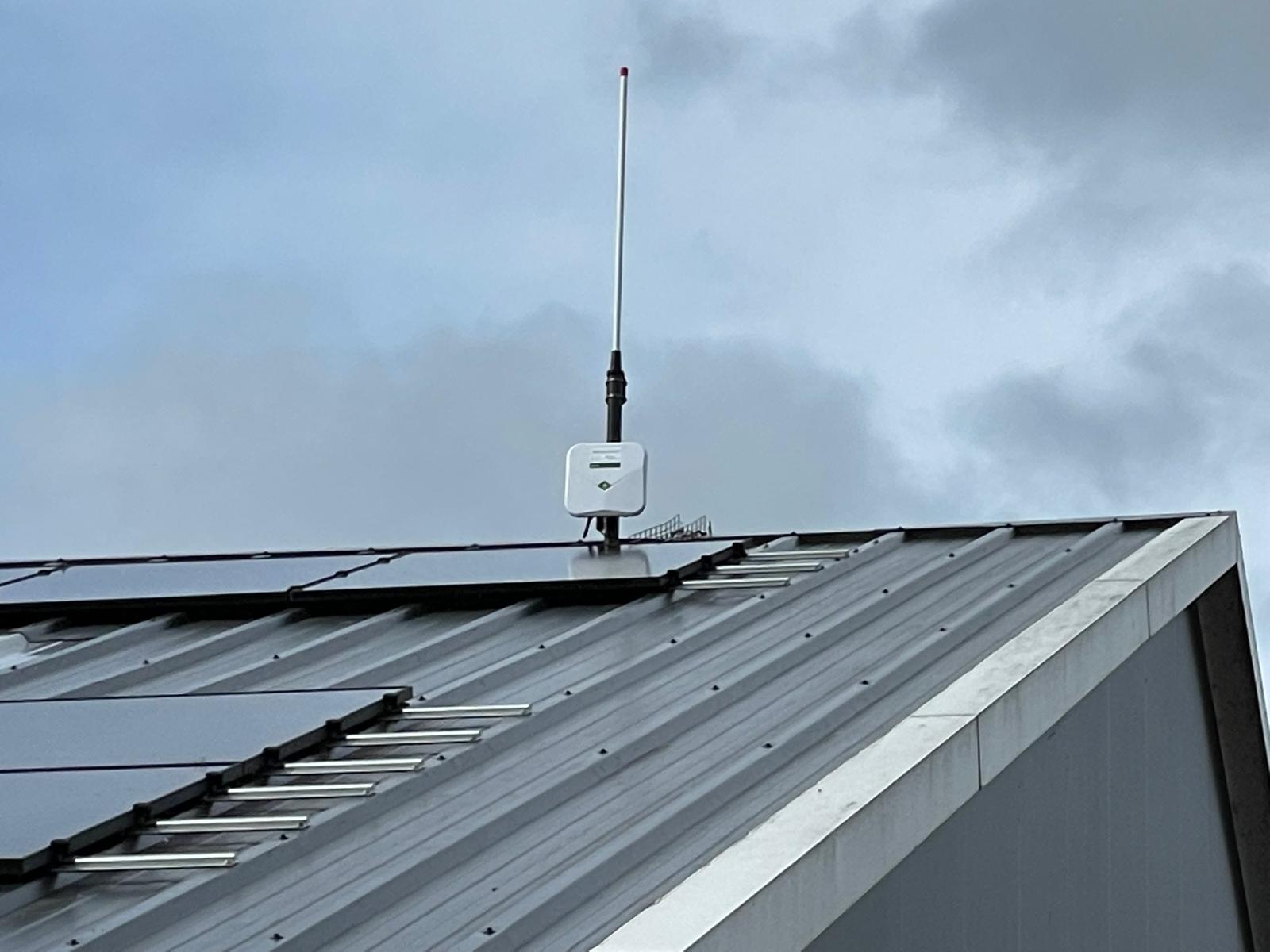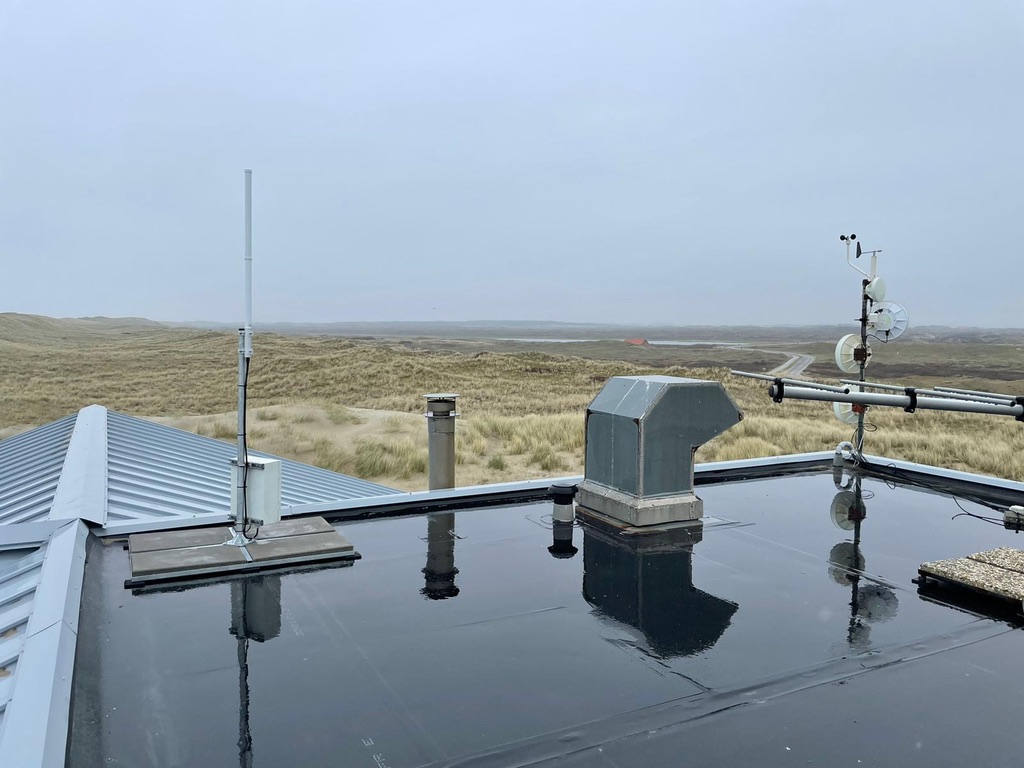
When evaluating LoRaWAN gateway options, most organisations focus on hardware cost. But the purchase price of a gateway is typically less than 20% of its total cost of ownership over a 5-year lifecycle. The real costs, and the real differences between approaches, lie in connectivity, management, support, and engineering time. If you want to understand the operational side of that cost stack, start with our guide to LoRaWAN gateway management.
Three Approaches Compared
There are broadly three ways to get LoRaWAN gateway infrastructure.
The first is to build your own: purchase commercial gateways, configure them yourself, arrange connectivity, build monitoring, and handle firmware updates.
The second is to use a community network like The Things Network or Helium. You get lower upfront cost but limited control and reliability.
The third is a managed service, where you pay an annual fee per gateway that includes hardware, connectivity, firmware, monitoring, and support.
The Hidden Costs of Self-Managed Gateways
Self-managing gateways appears cheaper on paper. In reality, the following costs accumulate rapidly:
| Cost Category | Self-Managed (per gateway, 5 years) | Managed Service |
|---|---|---|
| Hardware | €300–€600 | Included |
| 4G SIM / data plan | €60–€120/year (€300–€600 total) | Included |
| Configuration time | 2–4 hours × engineer rate | Included |
| Monitoring infrastructure | Build or license (€50–€200/year) | Included |
| Firmware updates | Build OTA system or site visits (€200–€500 each) | Included |
| Troubleshooting / support | Internal engineering time | Included |
| Hardware replacement | At your cost | Included |
| Estimated 5-year TCO | €1,500–€3,500+ | €960–€1,310 |
The numbers above are conservative. They don't account for the cost of building internal tooling, training staff, or the opportunity cost of engineering time diverted from your core product. For organisations with 50+ gateways, the operational overhead of self-management can easily justify a dedicated full-time engineer.
Public Networks and the Roaming Advantage
Public community networks like The Things Network provide broad LoRaWAN coverage in many regions, and they're a genuine asset for the ecosystem. For prototyping, proof-of-concept work, and non-critical applications, they're an excellent starting point with minimal upfront cost.
Where public networks fall short is in guarantees. There are no coverage or uptime SLAs, and you have limited visibility into gateway health. For production IoT deployments that need reliability commitments, that gap matters.
A managed gateway service bridges this gap. With managed gateways, you get dedicated infrastructure with SLA-backed uptime, but you can also take advantage of roaming across public networks as a backup layer. If a managed gateway temporarily goes offline, sensors can roam onto nearby public gateways to maintain connectivity. The managed service handles the roaming agreements and failover automatically, giving you the reliability of dedicated hardware with the resilience of a broader network.
Engineering Time: The Most Underestimated Cost
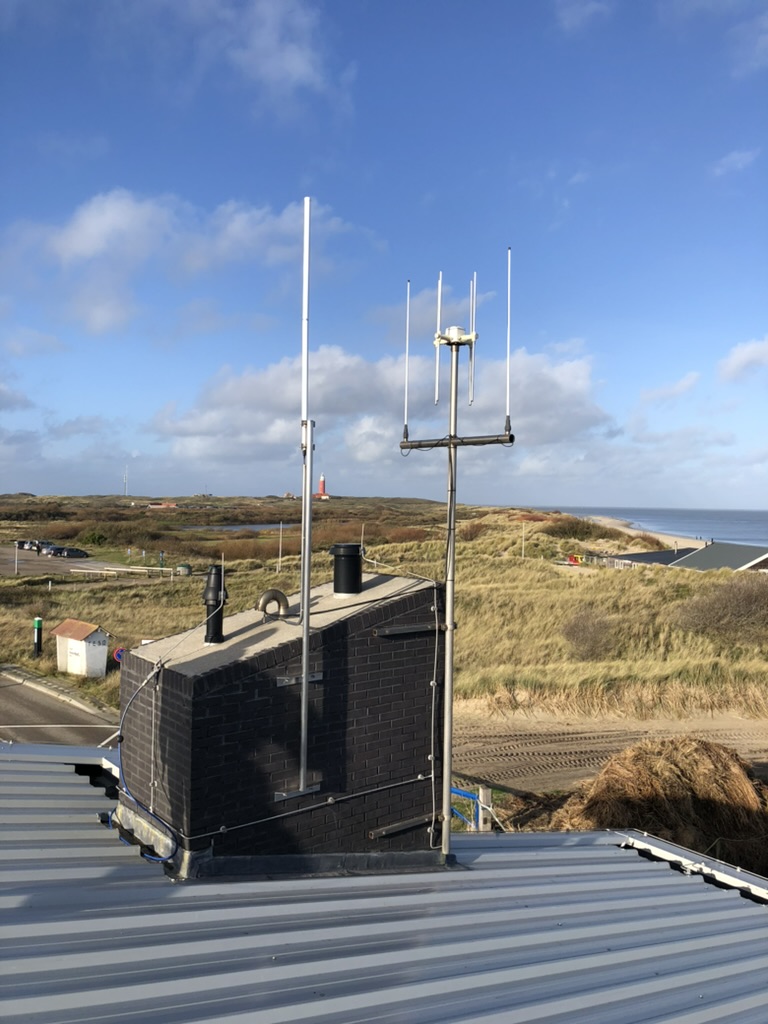
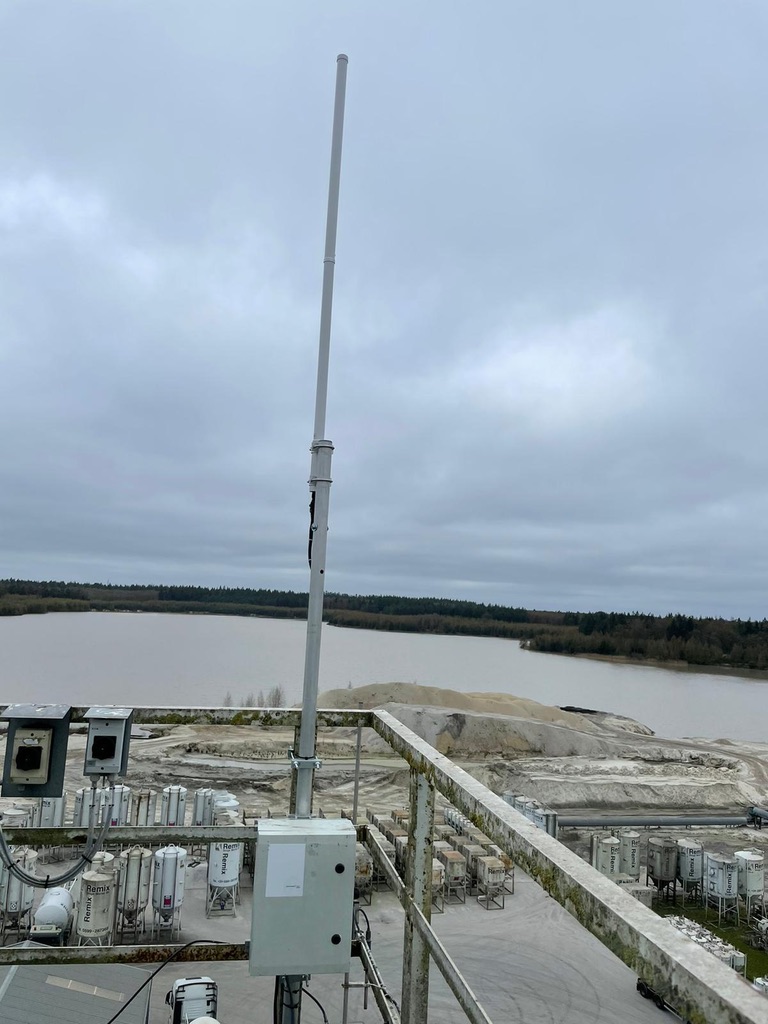
The most underestimated cost is engineering time. Consider what self-management actually requires: researching and selecting gateway hardware, configuring each unit with the correct frequency plans, packet forwarders, and network settings, then setting up monitoring, alerting, and logging infrastructure. On top of that, you need to build or integrate an OTA update mechanism, troubleshoot connectivity issues across diverse site environments, manage SIM cards and cellular providers, and respond to outages and hardware failures.
At a blended engineering rate of €80–€150/hour, even a modest time investment becomes expensive. If your team spends just 4 hours per month managing a fleet of 50 gateways (a conservative estimate), that's €3,840–€7,200 per year in engineering cost alone.
When Self-Management Makes Sense
Self-management isn't always the wrong choice. It can make sense if you have a very small number of gateways (under 5) in easily accessible locations, or if your team has deep expertise in LoRaWAN and embedded systems. It also fits when you need highly customised gateway behaviour that no managed service supports, or if you're building a gateway management platform as your actual product.
For most organisations deploying LoRaWAN as part of a broader IoT solution, however, managing the gateway layer is undifferentiated heavy lifting, better delegated to specialists.
What Does This Mean for Your Business?
Total cost of ownership for LoRaWAN gateways is driven far more by operational costs than hardware costs. A managed service typically delivers lower 5-year TCO than self-management while eliminating engineering distraction and providing better reliability, security, and scalability. See our transparent pricing for details.
The question isn't whether you can manage gateways yourself. It's whether you should. For most organisations, the answer is to focus engineering talent where it creates the most value: on your application, not your infrastructure. Request a custom quote for your deployment.
Want to see the numbers for your deployment?
We can provide a detailed cost comparison for your specific gateway requirements.
Get a Custom Quote