IoT gateways sit at the intersection of your physical infrastructure and your cloud services. They're deployed in the field, often in physically accessible locations, and they maintain persistent network connections. That makes them a high-value target for attackers, and one that's often overlooked.
Why Gateway Security Matters
A compromised gateway can be used to intercept sensor data, inject false readings, pivot into your cloud infrastructure, or participate in botnet attacks. The Mirai botnet, which took down major internet services in 2016, was built largely from compromised IoT devices with default credentials.
LoRaWAN gateways are particularly sensitive because they bridge the air interface (where sensors talk) and the backhaul network (where data reaches your servers). An attacker who gains control of a gateway can potentially eavesdrop on all traffic from nearby sensors or disrupt service for an entire coverage area.
Threat 1: Default Credentials and Exposed Management Interfaces
The most common gateway vulnerability is the simplest: default usernames and passwords left unchanged, with web management interfaces exposed to the network. Many commercial gateways ship with admin/admin or similar defaults, and their web UIs are accessible on standard ports.
How managed gateways solve this:With a managed LoRaWAN gateway service, there is no local management interface at all. Our gateways ship with web UIs and SSH access completely removed from the firmware. All configuration is pushed remotely from the central management platform, so there are no credentials to guess, no login pages to exploit, and no exposed ports to discover. The attack vector simply doesn't exist.
Threat 2: Unpatched Firmware
Gateway firmware runs a full Linux stack: kernel, networking, packet forwarder, and often additional services. Like any software, it has vulnerabilities that are discovered over time. The challenge is that gateways are deployed in the field, often in locations that are difficult or expensive to visit.
The result is that many gateway fleets run outdated firmware with known CVEs (Common Vulnerabilities and Exposures) because the operational cost of patching is too high.
How managed gateways solve this:Every gateway in our managed fleet receives over-the-air firmware updates automatically. When a vulnerability is identified, we develop, test, and roll out patches across the entire fleet without a single site visit. Customers don't need to track CVEs, build update pipelines, or schedule maintenance windows. Their gateways stay patched and secured as part of the service.
Threat 3: Open Inbound Ports
Traditional remote access to gateways requires opening inbound ports: SSH on port 22, web management on port 80/443, or custom ports for monitoring. Every open port is a potential entry point for attackers, especially when gateways are on public or semi-public networks.
How managed gateways solve this:Our managed LoRaWAN gateways use an outbound-only connection model by design. Each gateway initiates an encrypted tunnel back to our management platform over its 4G cellular backhaul. Zero inbound ports are opened, no firewall rules need to be modified at the customer site, and the gateway's network footprint is virtually invisible. There is nothing to scan, nothing to probe, and nothing to exploit from the outside.
How Our Outbound-Only Architecture Works
Threat 4: Physical Tampering
Gateways are deployed in the real world: on rooftops, in warehouses, on industrial structures. Unlike servers in a locked data centre, they're potentially accessible to anyone who can reach them physically. An attacker with physical access could extract credentials, modify firmware, or replace the device entirely.
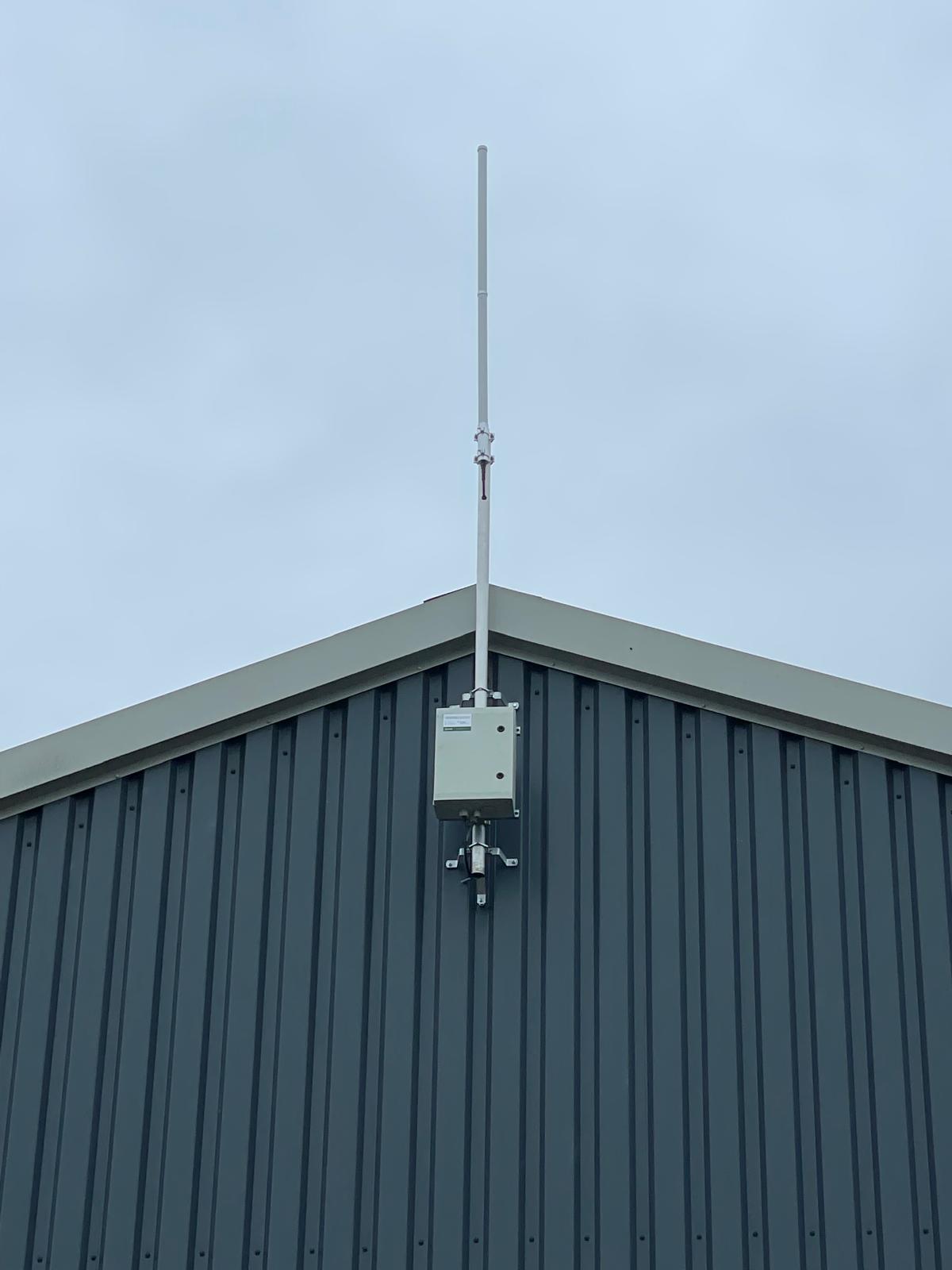
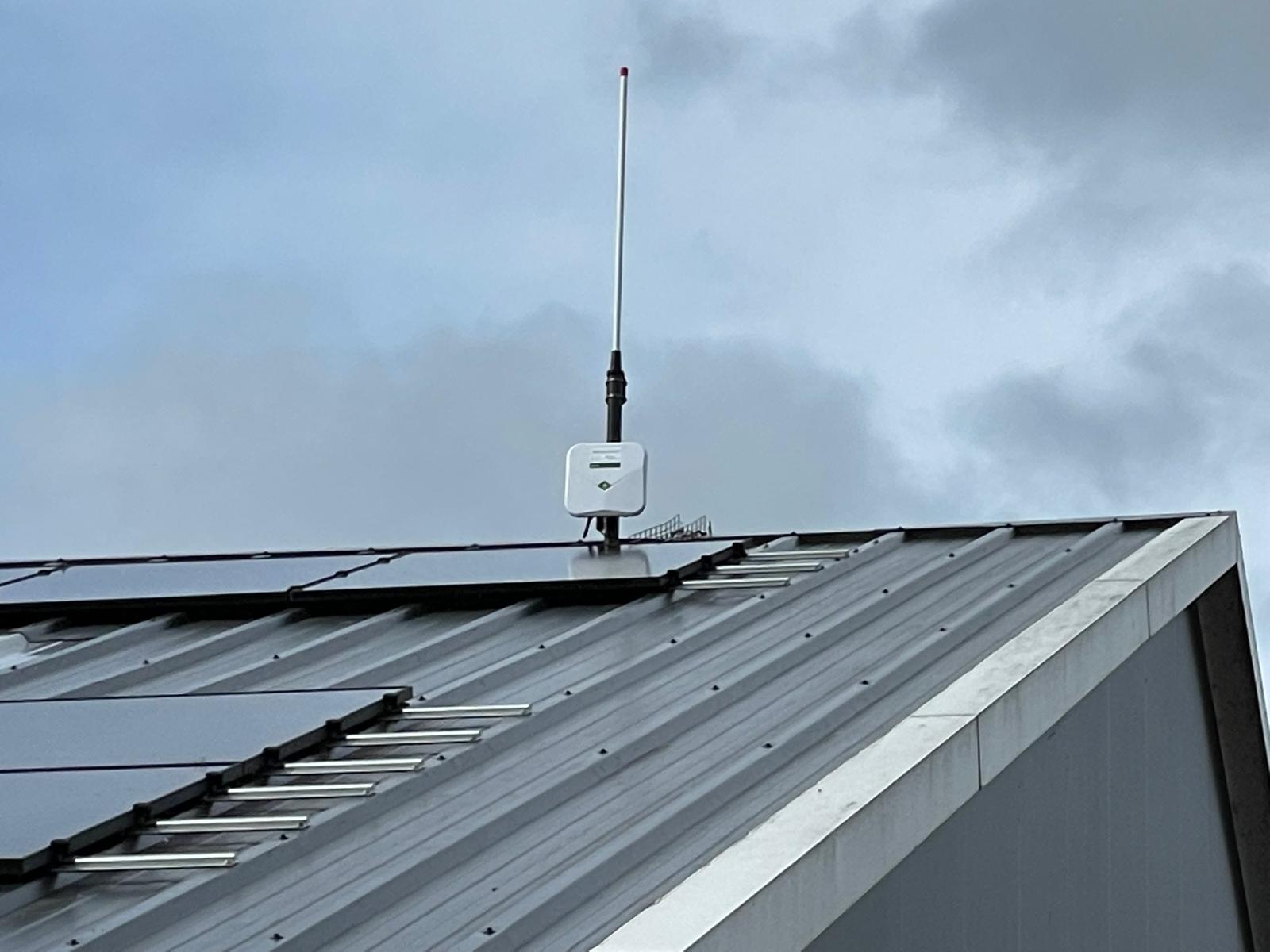
How managed gateways solve this:Our gateways are deployed in IP67-rated weatherproof enclosures, typically mounted at height on rooftops, masts, or building exteriors where casual access is impractical. On the software side, debug ports are disabled, storage is encrypted, and each gateway authenticates using unique device certificates. Even if someone physically removed a gateway, they couldn't extract credentials or clone the device to gain access to the network.
Threat 5: Supply Chain Risks
Off-the-shelf gateways run firmware from the manufacturer, which may include components from multiple upstream vendors. Each link in the supply chain is a potential vector for pre-installed backdoors, vulnerable libraries, or misconfigured services.
How managed gateways solve this:We build and maintain our own custom firmware from audited, known components. We don't ship the manufacturer's default image. Every library, service, and kernel module running on our gateways is selected and reviewed by our team. When a vulnerability surfaces in any upstream dependency, we can identify affected gateways across the fleet and push a targeted patch within hours rather than weeks.
Why Managed LoRaWAN Gateways Are More Secure by Default
Each of the security practices above, custom firmware, OTA patching, outbound-only connectivity, disabled management interfaces, requires significant engineering investment and operational discipline. For most organisations deploying LoRaWAN as part of a broader IoT solution, building and maintaining these capabilities in-house isn't realistic or cost-effective.
With a managed gateway service, every one of these protections is built into the service. You don't need to hire firmware engineers, build OTA infrastructure, or audit your supply chain. Your gateways arrive secured, stay patched, and are monitored around the clock. Security is part of the service, not an afterthought you bolt on later.
Security Checklist for LoRaWAN Gateways
Secure Infrastructure, Simpler Operations
Gateway security isn't glamorous, but it's foundational. A single compromised gateway can undermine an entire LoRaWAN deployment. The difference between a managed service and a self-managed fleet is that security doesn't depend on your team remembering to patch, configure, and monitor every device. It happens automatically, consistently, across every gateway in the network. Good LoRaWAN gateway management and good security are really the same operational discipline viewed from different angles. Talk to us about securing your LoRaWAN infrastructure.
Security built in, not bolted on
Every EdgePilot gateway is secured by design with custom firmware, outbound-only connectivity, and automatic patching.
Learn More