One of the first decisions in any LoRaWAN deployment is whether to use indoor or outdoor gateways, or a combination of both. The choice affects coverage range, installation complexity, durability, and cost. Here's a practical guide to making the right decision.
The Fundamental Difference
At a basic level, the distinction is environmental protection. An outdoor gateway is built to withstand rain, snow, UV exposure, temperature extremes, and humidity. An indoor gateway is designed for sheltered environments like offices, warehouses, and server rooms.
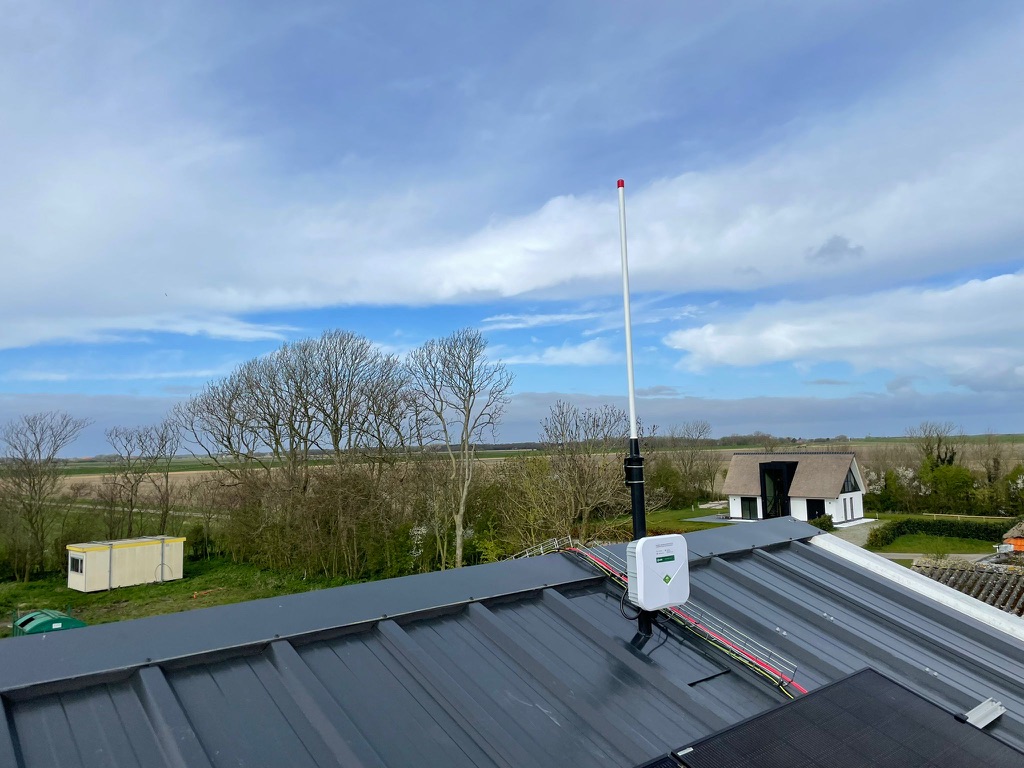
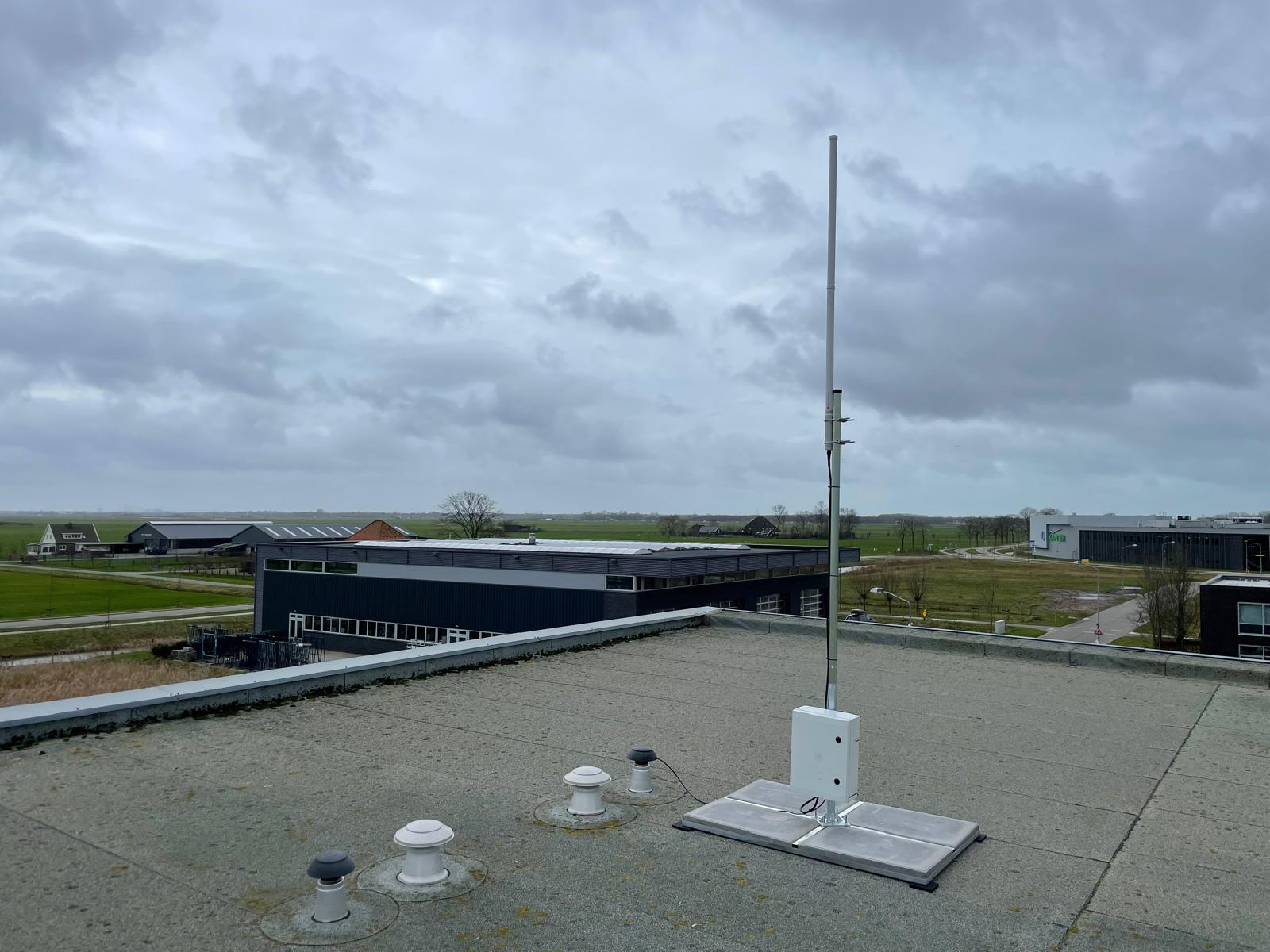
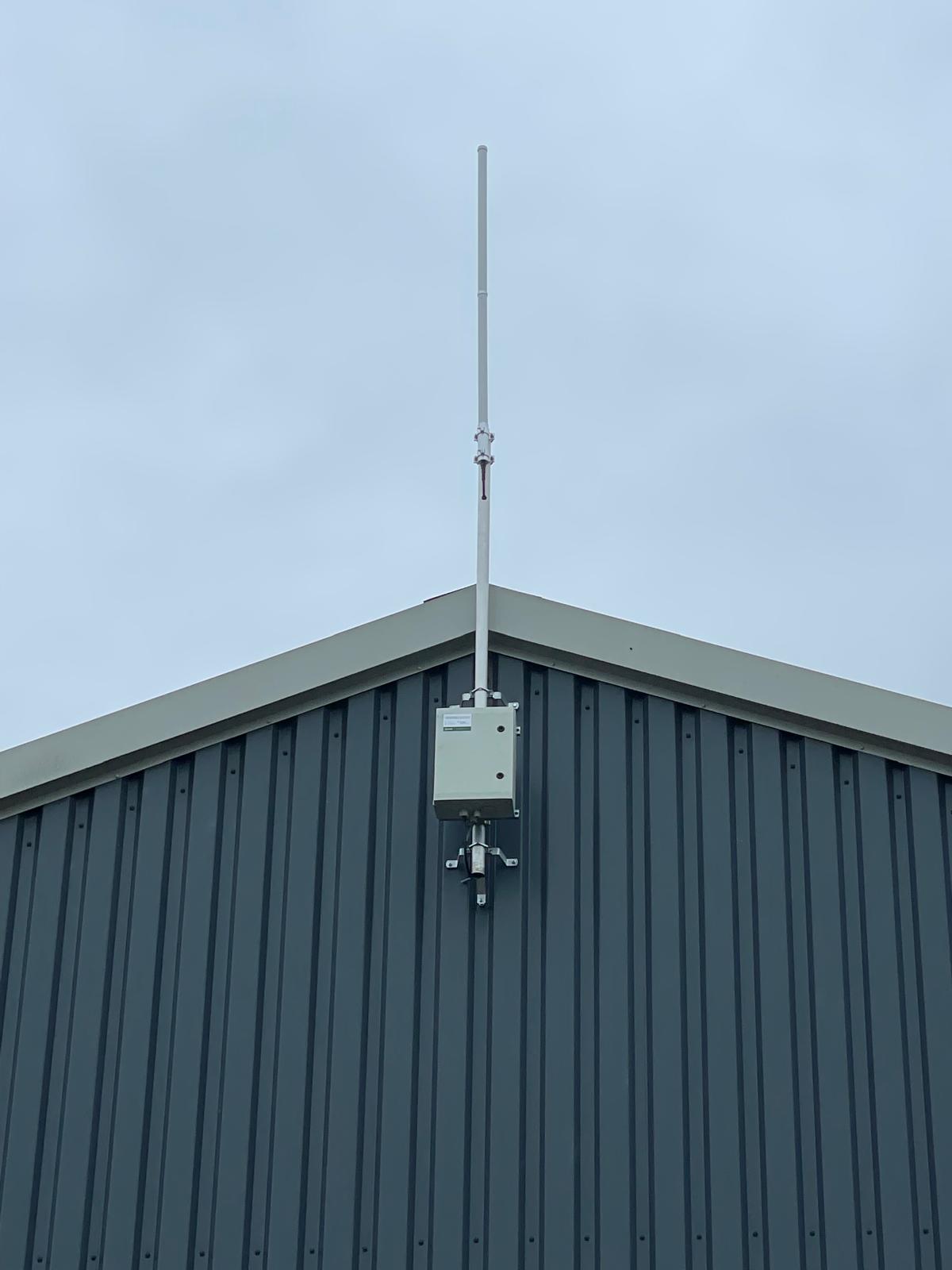
But the differences go deeper than weatherproofing. Outdoor gateways are typically paired with external high-gain antennas, mounted at height for maximum line-of-sight coverage. Indoor gateways use built-in or small external antennas and are positioned within buildings. This difference in antenna performance and placement has a dramatic impact on coverage.
IP Ratings Explained
IP (Ingress Protection) ratings tell you exactly what level of environmental exposure a gateway can handle. The two numbers indicate protection against solids (first digit) and liquids (second digit).
| Rating | Solid Protection | Liquid Protection |
|---|---|---|
| IP20 | Protected against fingers | None |
| IP54 | Dust-protected | Splash-proof from any direction |
| IP65 | Dust-tight | Protected against water jets |
| IP67 | Dust-tight | Protected against full immersion (1m, 30 min) |
For any gateway mounted outdoors in Europe, IP67 is the minimum standard. Anything less risks water ingress during heavy rain, particularly at cable gland entry points and enclosure seams. Our managed outdoor gateways are IP67-rated as standard.
Coverage: The Numbers
The performance difference between indoor and outdoor gateways is significant when it comes to range:
Indoor Gateway
- • Same-floor coverage: 30-50m through walls
- • Same-building coverage: 2-5 floors
- • Limited outdoor reach: 200-500m
- • Best for: single buildings, warehouses, offices
Outdoor Gateway
- • Urban coverage: 1-5 km
- • Rural / open terrain: 5-15 km
- • Building penetration: reaches indoor sensors from outside
- • Best for: campuses, farms, cities, industrial sites
The outdoor advantage comes primarily from antenna height and gain. An outdoor gateway mounted at 10 metres with a 5 dBi antenna will outperform an indoor gateway on a desk by a factor of 10-50x in effective range.
When to Choose Indoor
Indoor gateways make sense when your sensors are concentrated within a single building or small cluster of buildings. Smart office deployments, warehouse environmental monitoring, cold chain tracking within a facility, and building management systems are all strong indoor use cases.
Indoor gateways are also simpler to install since there is no need for weatherproof mounting, no external antenna cabling, and no concerns about lightning protection. They plug in, connect to the network, and start receiving packets.
When to Choose Outdoor
Outdoor gateways are the right choice when you need to cover a geographic area rather than a single building. Agriculture, smart city, environmental monitoring, logistics yards, industrial campuses, and any deployment where sensors are distributed across an outdoor area all require outdoor gateways.
Even for primarily indoor use cases, an outdoor gateway mounted on the roof can often cover an entire building from the outside, potentially replacing multiple indoor units. This is particularly effective for multi-storey buildings where a single rooftop gateway can reach sensors on every floor.
The Mixed Approach
Many deployments use both types. A typical smart building project might deploy outdoor gateways on the roof for site-wide coverage and indoor gateways in basement areas or shielded rooms where the outdoor signal can't penetrate. The key is planning coverage zones to minimise overlap while ensuring every sensor location has reliable connectivity.
Cost Considerations
Outdoor gateways cost more due to the IP67 enclosure, external antenna, mounting hardware, and more involved installation. With our managed service, indoor gateways start at €192/year and outdoor at €262/year. In both cases, hardware, 4G connectivity, firmware, monitoring, and support are all included.
The cost difference is modest relative to the coverage advantage. A single outdoor gateway that replaces three indoor units is significantly cheaper overall. Factor in the total coverage area per euro spent, and outdoor gateways are almost always more cost-effective for anything beyond a single-building deployment.
Making the Decision
The right choice depends on your specific deployment: where your sensors are, what terrain and buildings they're in, and how your coverage needs might grow. If you're unsure, start with the use case. If sensors are all indoors in one building, start with indoor. If they're spread across a site, go outdoor. For complex deployments, a coverage survey will tell you exactly what you need. Contact us for a free deployment consultation.
Not sure which gateway type you need?
Our team can help you plan the right mix of indoor and outdoor gateways for your deployment.
Book a Consultation