Farms are almost the perfect environment for LoRaWAN. They are spread out, full of things worth measuring, and usually short of reliable connectivity. They are also some of the hardest places to keep a gateway running: long distances, steel buildings, dust, weather, and nobody on site whose job is IT.
This guide covers the most common agricultural use cases and how to plan coverage that keeps working through every season.
Why LoRaWAN Fits Agriculture
A single outdoor gateway can cover several kilometres of open land. Sensors run for years on batteries, so they can sit in fields, tanks, and sheds without power. The cost per sensor stays low because there is no SIM or data plan for each device. Compared with putting every sensor on cellular (see our LoRaWAN vs cellular comparison), the economics improve quickly as sensor counts grow.
Common Agricultural Use Cases
- →Silo and feed bin levels: Know when to reorder feed without climbing ladders, and avoid running empty.
- →Soil moisture and temperature: Irrigate on measured need rather than habit, field by field.
- →Weather and microclimate: Local frost, rain, and wind data for spraying decisions and crop protection.
- →Water tanks and troughs: Alerts before livestock run short of water in remote fields.
- →Livestock housing climate: Temperature, humidity, CO2, and ammonia in barns for animal welfare and ventilation control.
- →Crop and cold storage: Temperature monitoring in potato, fruit, and vegetable stores, where a failure can cost a whole harvest.
- →Equipment and asset tracking: Location of trailers, machinery, and tools across the farm.
What Makes Farms Hard for Gateways
- →Steel buildings: Sheet-metal sheds and barns block radio signal very effectively. Sensors inside them may need a gateway nearby or inside.
- →Distance and terrain: Outlying fields, tree lines, hedgerows, dikes, and rolling ground all eat into range.
- →No network where the gateway goes: Farm internet usually ends at the house. Running cable to a barn roof or silo is expensive, and Wi-Fi rarely reaches.
- →Harsh conditions: Dust, moisture, ammonia in livestock buildings, lightning on high mounts, and rodents that chew cables.
- →Long trips for every fault: Rural sites are far apart, so every site visit is expensive, and farmers have no time to reboot gateways.
Where to Put the Gateway
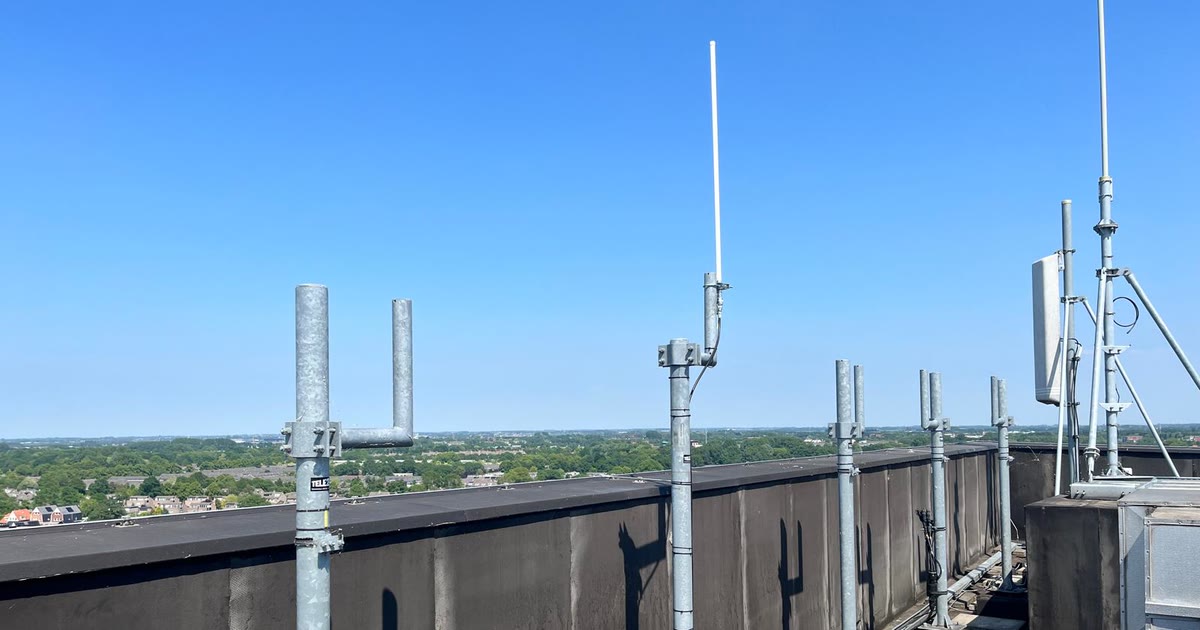
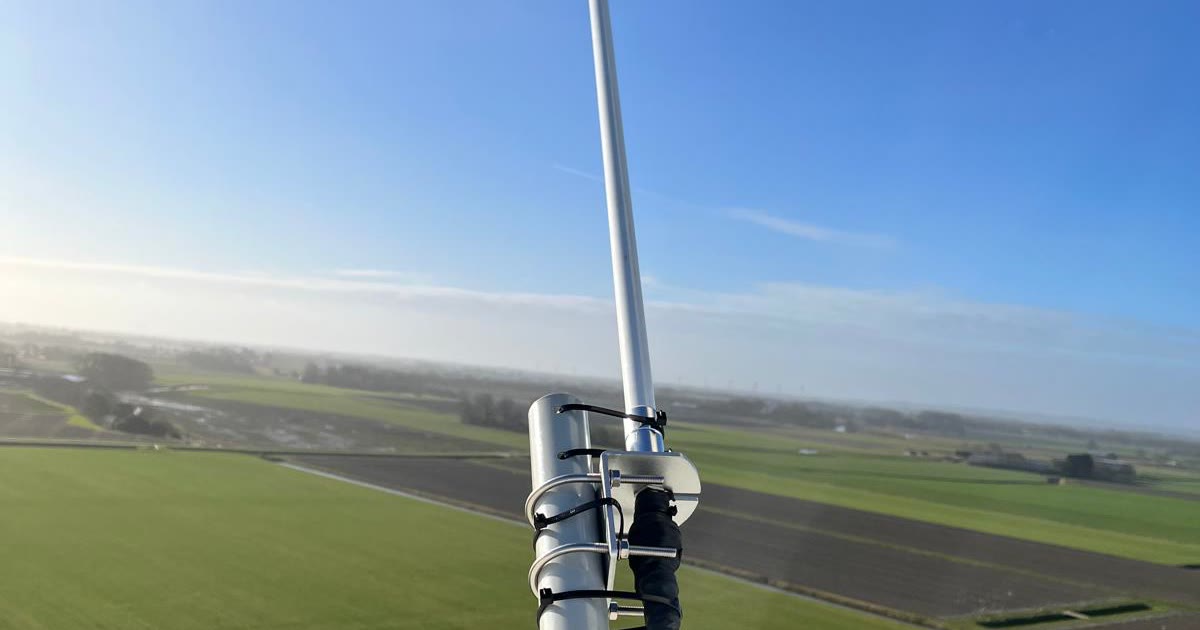
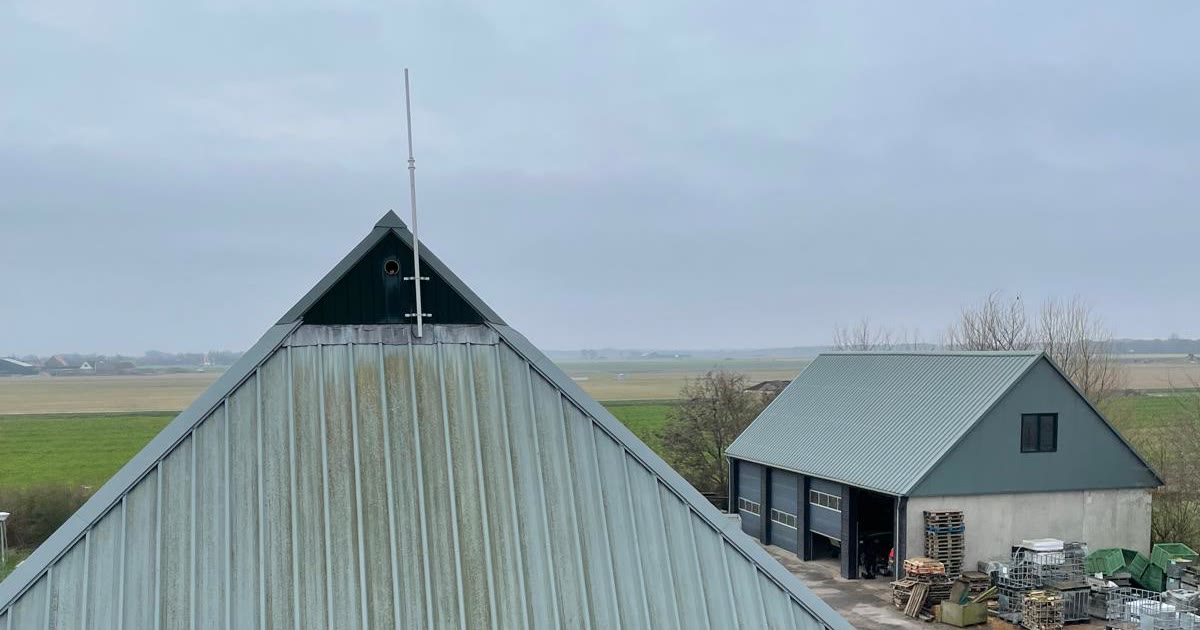
Height wins. The best location is usually the highest practical point near the centre of the holding: the top of a silo, the gable of a barn, or an existing mast. Use an IP67-rated outdoor gateway, and mount the antenna clear of metal roof edges so the building does not shadow it.
On a typical holding, one well-placed outdoor gateway covers the yard and surrounding fields. Separate parcels several kilometres away or hilly land may need a second gateway. Sensors deep inside steel livestock or storage buildings are often better served by a small indoor gateway or by sensors with external antennas. Our guides to indoor vs outdoor gateways and LoRaWAN gateway range go into more detail.
Power and Backhaul
Mains power from the nearest building is the simplest and most reliable option. Solar can work for remote masts, but it needs careful sizing for northern European winters, when days are short and the gateway and its modem still need power around the clock.
For backhaul, 4G is usually the obvious choice on a farm. It removes the need to run cable from the farmhouse router and keeps the gateway independent of the home network. Our comparison of gateway backhaul options explains the trade-offs.
Example: A Typical Mixed Farm Setup
From Sensors to Decisions
Coverage is only the foundation. The value comes from turning readings into alerts and decisions. A complete setup needs sensors, gateways, a network server, and a place to see the data. Alongside EdgePilot's managed gateways, Hexaspot supplies LoRaWAN sensors, ChirpCloud provides a hosted network server, and Trackpac turns sensor data into dashboards and alerts. Each layer also works with tools you already use.
Why Managed Gateways Suit Rural Sites
On a farm, the cost of a gateway problem is mostly travel. A half-day trip to reboot a gateway or swap a SIM quickly outweighs the cost of the hardware. A managed service changes that: our team monitors every gateway, diagnoses problems remotely, and pushes firmware updates over the air, so site visits happen only when hardware genuinely needs attention.
Outdoor gateways start from €262 per year, including the IP67 hardware on a five-year lease, 4G connectivity, monitoring, and updates. See the full pricing details, compare it with running gateways yourself in our total cost of ownership guide, or contact us to plan coverage for your farm.
LoRaWAN for Agriculture FAQ
How many gateways does a farm need?
Most single holdings start with one outdoor gateway mounted high on a silo or barn. Add a second for distant parcels, hilly land, or redundancy, and consider an indoor gateway for sensors inside steel buildings.
Will LoRaWAN work inside steel barns?
Steel cladding blocks a lot of signal, so sensors deep inside may struggle to reach an outdoor gateway. Placing a gateway inside or close to the building, or using sensors with external antennas near openings, usually solves it.
Do I need internet in the barn or yard?
Not with a 4G-connected gateway. It only needs power and mobile coverage, so it can go wherever coverage is best rather than wherever the farmhouse router reaches.
Connecting a farm or rural site?
We install, connect, and manage LoRaWAN gateways on farms across Europe, with 4G included so you don’t need internet in the yard.
Request a Demo